
Warranties
Roof Warranties in Plano: What Lifetime Actually Means
Every new roof carries two warranties written by two different companies, and the one most likely to matter is the one nobody standardizes. What each covers, what both exclude, and the three questions to ask before signing.
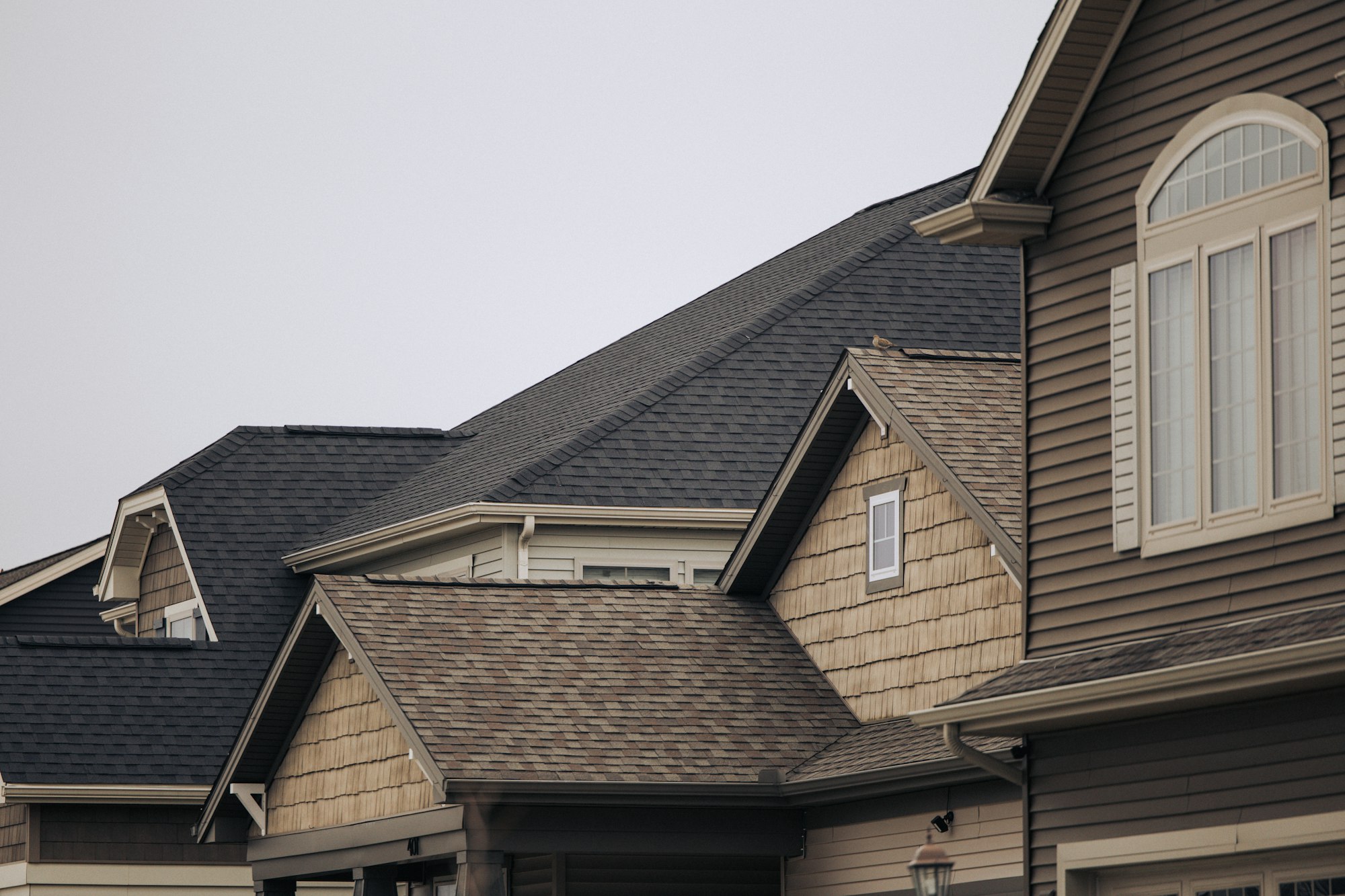
Somewhere in most Plano roofing quotes is the phrase lifetime warranty, and most homeowners hear it as a promise that the roof is covered for as long as they live in the house. That is not quite what the document says, and the gap between the two is where almost every unhappy warranty conversation starts.
The confusion is structural rather than dishonest. There are two separate warranties on a new roof, written by two different parties, covering two different failures. Understanding which is which takes about five minutes and makes the rest of the quote far easier to read.
Two Warranties, Two Issuers, Two Kinds of Failure
The manufacturer's warranty covers the product. It is written by the company that made the shingles, and it is concerned with whether the shingle itself was defective when it left the plant. The workmanship warranty covers the installation. It is written by the roofing company that put the shingles on, and it is concerned with whether they were fitted correctly.
The distinction matters because almost every roof problem that shows up in the first decade is an installation problem, not a product one. A shingle that blows off because it was nailed high is a workmanship issue. A shingle that cracks across the mat for no apparent reason might be a product one. Those two claims go to two different companies, and only one of them is still in business in twenty years if you choose badly. It is also why the length of a workmanship warranty tells you less than the age and reputation of the company offering it.
What a Manufacturer's Warranty Actually Covers
It is worth reading a real one rather than a summary. Owens Corning's Standard Product Limited Lifetime Warranty promises shingles will be free from any manufacturing defects that materially affect their performance on the purchaser's roof, and commits the company to compensate the purchaser to either repair, replace, or recover defective shingles. That is the whole of what is being warranted: a defect in the product.
The exclusions are where the document does its real work, and they are not hidden. A manufacturer's warranty of this kind does not cover:
- Improper or faulty installation of roofing products, which is precisely the failure most likely to occur.
- Damage caused by improper or inadequate roof ventilation or roof drainage.
- Acts of God, such as hail, strong storms or winds including gusts over the maximum wind speed, which in North Texas is not a remote scenario.
- Shading or variations in the color of the shingles, and discoloration from algae or similar growth outside the separate algae coverage.
Read as a group, those exclusions explain why a roofer who shrugs and says the manufacturer will handle it is often wrong. Hail is excluded. Bad installation is excluded. Poor ventilation is excluded. What is left is a genuine factory defect, which is real but rare.
The Word Lifetime Is Doing Less Work Than It Looks
In the Owens Corning document, the headline lifetime term resolves into a schedule. On a single-family home owned by an individual, the full-value protection period runs years one to ten at 100 percent. Years eleven to forty are prorated, with the table describing coverage for as long as the owner owns the home. On other structures the period is stated plainly as 40 years from the original installation date. The separate algae coverage runs from installation until ten years after the date of installation.
Two administrative details decide a surprising number of claims. The warranty is not freely transferable: the purchaser may only transfer it one time, and the second owner must contact the manufacturer within 60 days after the date of the real estate transfer. And a claim has a clock on it, because the purchaser must make a claim within 30 days after discovering the problem. A roof sold twice, or a problem noticed in spring and reported in autumn, can fall outside both.
Wind Coverage Has a Number, and Your Nail Count Changes It
This is the clause worth finding before a Plano spring. The Owens Corning warranty states that no warranty shall apply for wind speeds or gusts in excess of the designated wind velocity for the shingle products, and the table gives those numbers by product line. The detail that catches people is the installation condition attached to them: 110 mph is standard with four-nail application, and 130 mph is applicable only with six-nail application. The nailing pattern your crew uses is therefore part of your warranty, not just part of the workmanship.
The industry test behind those numbers is worth knowing too. The Asphalt Roofing Manufacturers Association explains that ASTM D7158 sorts shingles into classes tied to design wind speeds measured as three-second gusts: Class D at 116 mph or below, Class G at 155 mph or below, Class H at 194 mph or below. Those ratings assume standard conditions, namely a wind exposure category of B or C, a mean roof height not exceeding 60 feet, and no topographic wind speed up effects. The warranty limit on the remedy matters as much: where wind damage is covered, the manufacturer's maximum liability during the wind warranty period can be limited to the reasonable cost of hand sealing the shingles, not replacing them.
Workmanship Is the Half Nobody Standardizes
There is no industry test for a workmanship warranty. One company offers two years, another ten, another a lifetime that quietly means as long as the company exists. The only external framework is federal consumer law, and it is worth knowing what it does and does not give you. The Federal Trade Commission explains that a warranty is full only if it meets every one of a set of conditions, including that the issuer provides warranty service free of charge and does not limit the duration of implied warranties. If any of those statements is not true, the FTC says, then the warranty is limited. Nearly every roofing warranty you will be offered is limited, and that is normal rather than suspicious.
Two FTC points are directly useful at the kitchen table. Written warranties must be available for customers to read before buying, so a company that will not show you the workmanship warranty until after you sign is not following the rule. And federal law prohibits disclaiming implied warranties on a consumer product where a written warranty is offered, which means the unwritten baseline protections created by state law survive alongside whatever the paper says.
What to Ask Before You Sign in Plano
Three questions sort good paperwork from decorative paperwork. Ask for the workmanship warranty in writing, before you sign, and read how long it runs and what voids it. Ask which nailing pattern the crew will use and what wind rating that gives you on the shingle being quoted, because that single answer links the installation to the manufacturer's coverage. And ask what the roofer expects to do about ventilation, since inadequate ventilation is an exclusion on the product side and a judgment call on the installation side.
None of this means a warranty is worthless. It means it is a document with terms rather than a safety net, and that the installer's competence is doing far more of the protecting than the certificate is. If you are comparing quotes on Plano roofs and the warranties read differently from one another, a free roof inspection and a line-item roof replacement scope will usually tell you why. Ask for both on paper and the comparison stops being a contest of adjectives.
Comparing two quotes and two warranties?
We will put the nailing pattern, the wind rating and the ventilation plan in writing alongside the price, so the warranty terms are something you can compare rather than guess at.
See the Terms Before You Need Them
One call gets somebody on your roof with a camera, a written report, and a scope that spells out nailing, ventilation and the wind rating you are actually buying.